
compostipint Logo compostipint Contact Us
Contact Us

Building Your First Capsule Wardrobe

Learn how to create a functional 30-piece wardrobe that works together. We break down the essentials and show you why fewer pieces mean more outfit combinations.

12 min read Beginner May 2026
Ineta Vīksne, home organization specialist

Author

Ineta Vīksne

Senior Home Organization Specialist

Home organization specialist with 12 years of experience optimizing wardrobes and storage solutions for compact Latvian homes.

A capsule wardrobe sounds like a minimalist fantasy. But it's actually the most practical approach to getting dressed if you're working with limited closet space — which, let's be honest, most of us in compact Latvian apartments are.

The idea is simple: start with a small collection of pieces that work together. Mix and match them to create dozens of outfits. No more standing in front of your closet at 7 AM with nothing to wear. We're talking about 25 to 35 pieces that genuinely fit your life, your body, and your space.

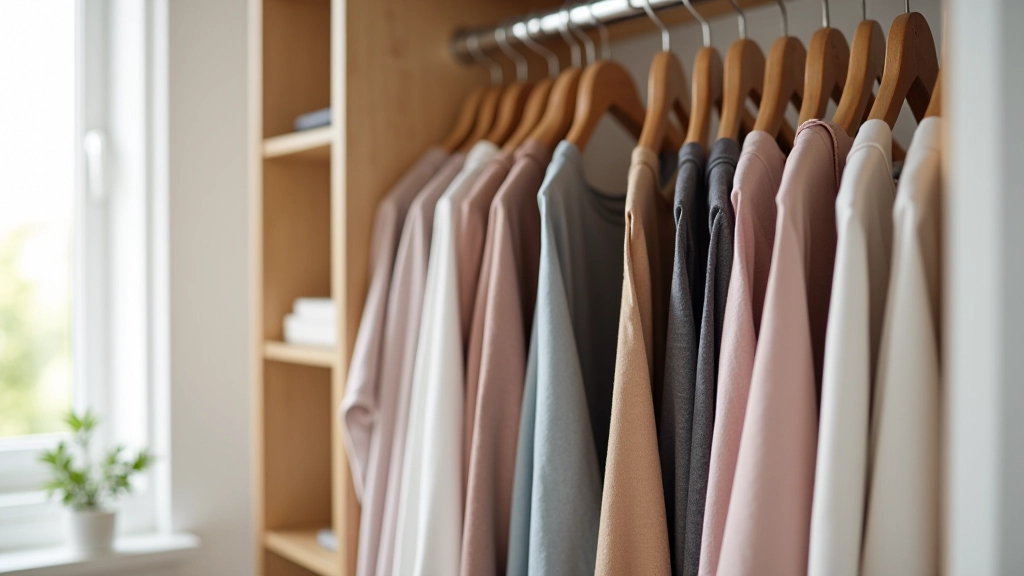
Neatly organized closet with coordinated clothing hung by color on wooden hangers, showing a compact but functional wardrobe space

Start with Your Neutral Foundation

Your capsule needs anchors — pieces that don't demand attention but make everything else work harder. We're talking basics. White, black, navy, gray, beige. Pick three neutral colors that feel right for your lifestyle and stick with them.

Here's what you actually need: two pairs of well-fitting jeans (one dark, one lighter), two neutral trousers, two basic sweaters, three or four solid t-shirts in neutral shades, and one white button-down shirt. These eight pieces alone create roughly 30 outfit combinations before you even introduce color or pattern. Don't overthink it. You're building a foundation, not a fashion statement.

The core numbers: 2 pairs jeans, 2 trousers, 2 sweaters, 3-4 t-shirts, 1 button-down = 8 foundational pieces that create 30+ outfit combinations.


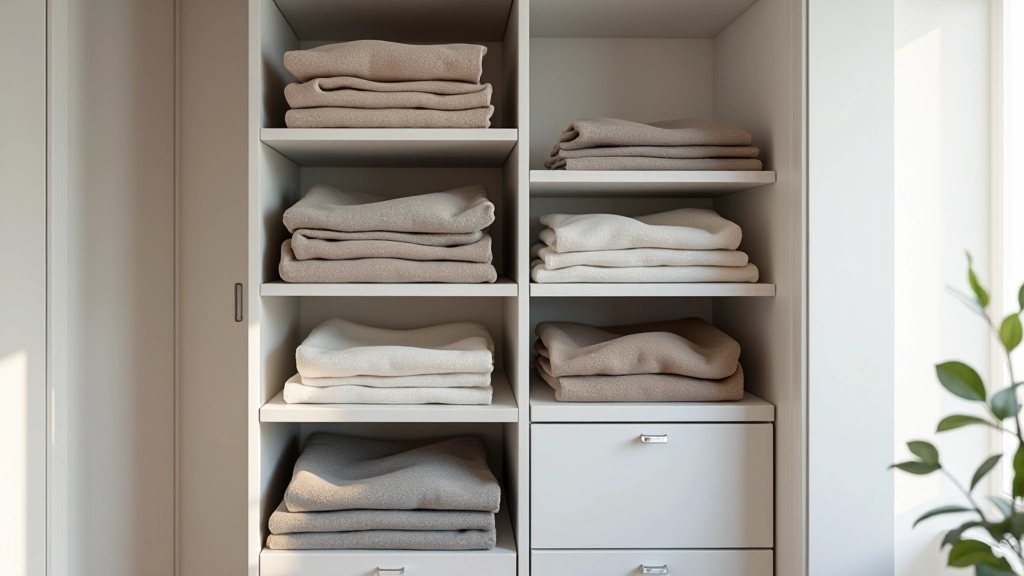
Folded neutral-colored clothing basics including white, black, and gray garments stacked neatly on a light wooden surface, showing quality construction

Educational Note

This guide is informational and based on general wardrobe organization principles. Individual preferences, body types, and lifestyle needs vary significantly. We recommend adapting these suggestions to your personal circumstances. What works for someone in Rīga might need adjustment for Jūrmala's coastal climate or for your specific work environment.

Woman organizing colorful clothing items in a wooden closet organizer with multiple compartments and hanging space

Layer in Versatile Pieces

Once you've got your foundation, you need pieces that extend your options without cluttering your closet. Think cardigans, blazers, denim jackets, and structured shirts. These are the multipliers. A cardigan over a t-shirt looks completely different than the t-shirt alone. A blazer transforms casual jeans into something you could wear to a meeting.

Aim for 4 to 6 layering pieces. Look for things that fit well in your natural colors — neutrals or maybe one accent color that complements your skin tone. Quality matters here more than quantity. A well-fitting cardigan in a good fabric will get worn constantly. A cheap blazer you bought on impulse? It'll sit there taking up space.

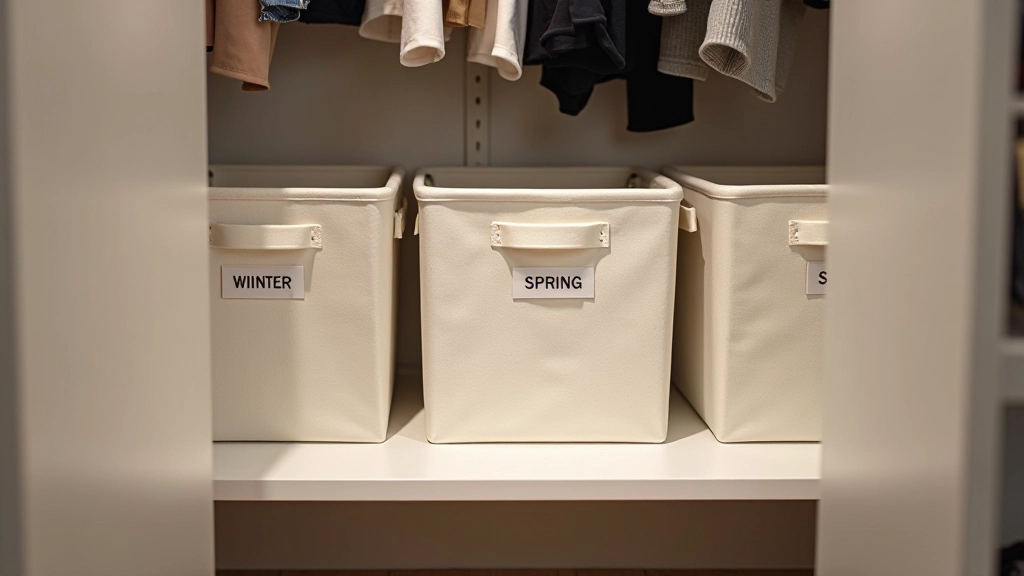
Pay attention to weight and season too. In Latvia, you need pieces that actually work for our climate. Heavier knits for winter, lighter layers for spring and autumn. This is where smart shopping saves you space and money.

Choose Your Accent Colors Carefully

This is where your capsule gets personality without chaos. Pick one or two accent colors that genuinely excite you and that work with your neutrals. Not colors because they're trendy right now, but colors you'll still want to wear in three years.

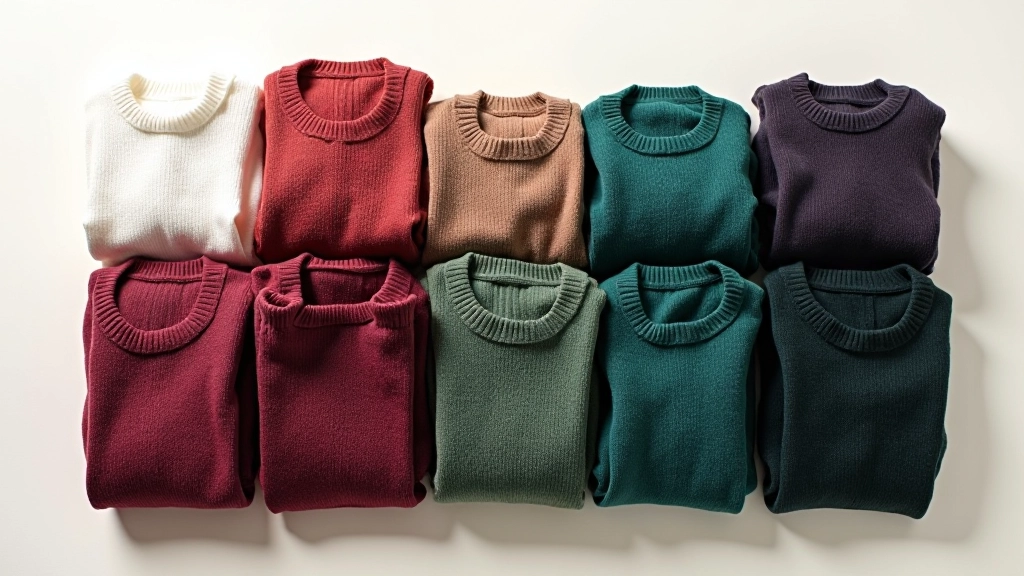
Let's say you choose deep burgundy and forest green. Now you can add: a sweater in each color, a pair of trousers, maybe a patterned shirt. Suddenly those neutral basics have more life. The burgundy sweater works with your black jeans and your gray trousers. The green pairs with navy. You're not buying randomly — you're building a system where everything talks to everything else.

"A capsule wardrobe isn't about restriction. It's about having the pieces you actually wear instead of a closet full of things you've forgotten about."

Colorful sweaters and clothing arranged by color palette - from neutrals to jewel tones - hanging on a white clothing rack
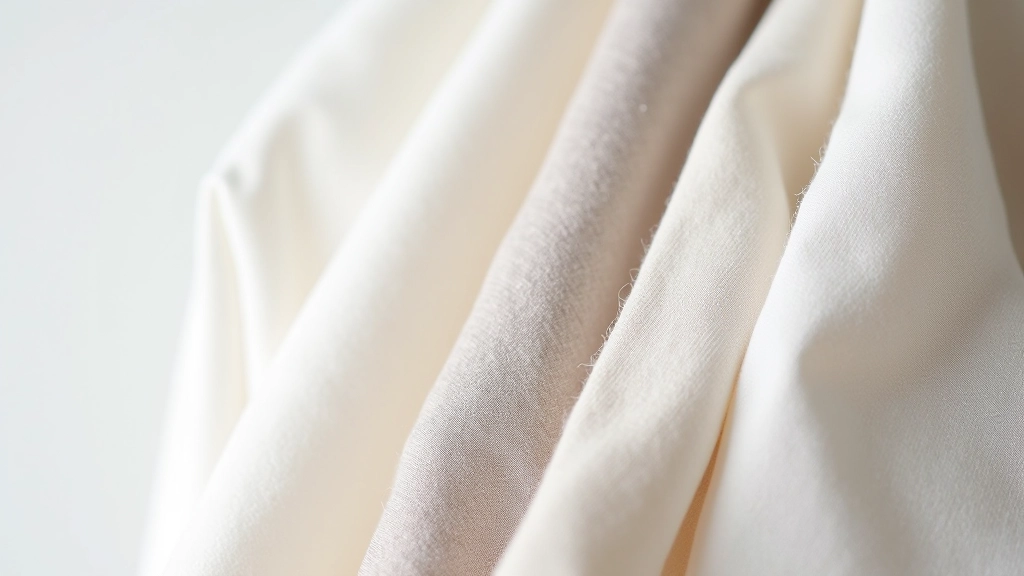
Close-up of high-quality clothing fabrics and textures showing natural fibers like linen, cotton, and wool in neutral colors

Don't Forget About Shoes and Accessories

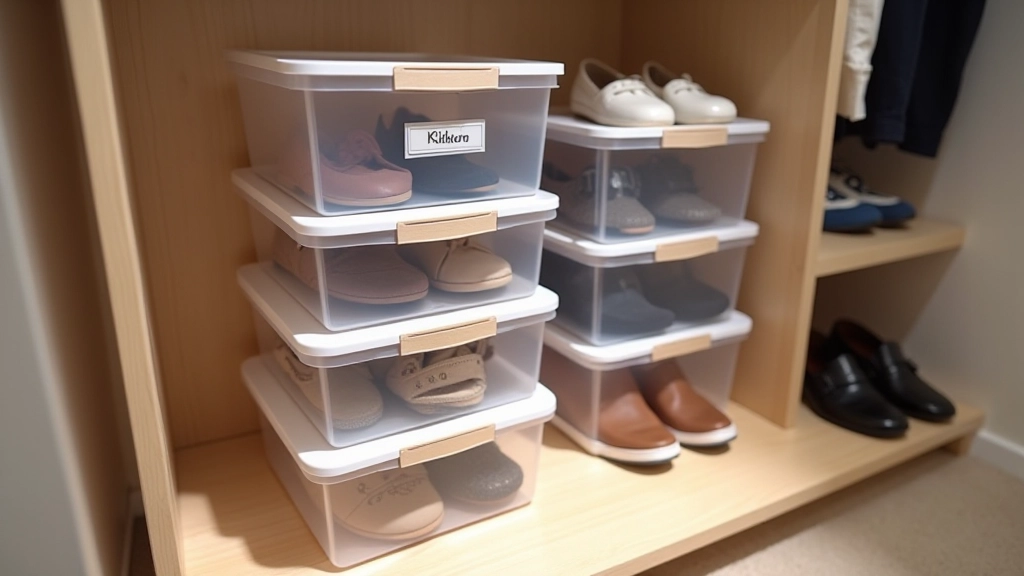
Clothes are just part of the equation. You need shoes and accessories that work across your whole wardrobe. Five or six pairs of shoes should cover most situations: everyday sneakers or flats, work shoes (maybe a flat or low heel), something dressier, a pair of boots, and maybe one more depending on your lifestyle.

Accessories are where people get lost. But here's the thing: a simple white t-shirt becomes five different looks depending on what you put with it. A scarf changes the entire mood. Keep it simple — maybe three scarves, a couple of belts, some basic jewelry. Choose pieces in your accent colors or neutrals so they coordinate easily with everything.

In a small apartment, this actually saves you space and money. You're not buying shoes for each outfit. You're buying shoes that work across multiple outfits.

Build It Slowly, Live It Fully

The best capsule wardrobes aren't built overnight. You don't need to buy everything at once. Start with those foundational neutral pieces. Wear them for a few weeks. See what gaps you notice. Then add layers. Then add color. Over time — maybe two or three months — you'll have a functioning system.

The real payoff? You stop wasting money on impulse purchases. You know what you have. Getting dressed takes five minutes instead of thirty. And your closet actually has space to breathe. In a compact Latvian home, that's not a luxury. That's a necessity.

Ready to optimize your space even further?

Explore vertical storage solutions for compact bedrooms