Building Your First Capsule Wardrobe
Learn how to create a functional 30-piece wardrobe that works together seamlessly.
Stop digging through piles. These practical hacks use clear boxes, shoe racks, and wall space to keep your collection accessible and visible without wasting closet real estate.

Let's be honest — shoes are a closet challenge. You've got heels, flats, sneakers, winter boots, and sandals all competing for space. Most of us end up shoving them into a dark corner or piling them on the floor, which means we forget what we have and they get damaged.
The good news? Organizing shoes doesn't require expensive systems or major renovations. You don't need to hire someone or spend hours reorganizing. What you need are simple, smart strategies that work in real Latvian apartments — spaces that are often compact but absolutely fixable.
We've tested dozens of approaches with clients in Rīga and Jūrmala. The ones that actually work share something in common: they're based on visibility and accessibility. When you can see what you have and reach it easily, you'll wear your shoes more and take better care of them.
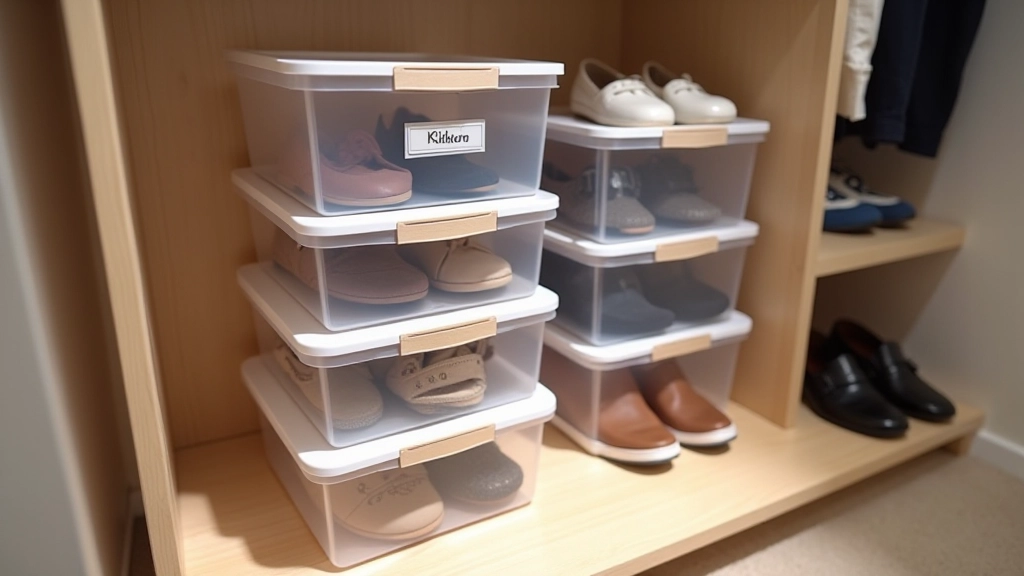
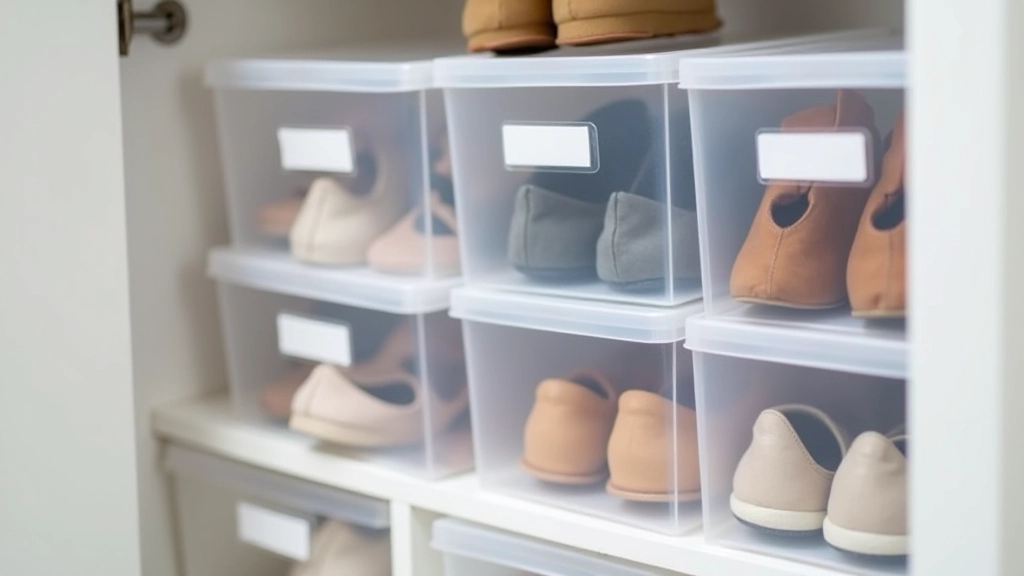
Clear plastic storage boxes are game-changers, and they're affordable. You can find them at any hardware store in Latvia for just a few euros. The key is choosing the right size — not too tall, not too small.
Here's what works: use boxes that hold 2-4 pairs of shoes depending on shoe size. Boots need taller boxes. Flats and sandals fit more in one box. Label each box on the front and spine so you can identify contents at a glance. We recommend using masking tape and a marker — it's cheap and removable if you reorganize later.
Pro tip: Stack boxes in a pyramid pattern on shelves. Wider boxes at the bottom, narrower ones on top. This prevents boxes from sliding and makes everything accessible without moving multiple boxes to reach one pair.
In a compact bedroom, this approach uses vertical space efficiently. You're not spreading shoes across the floor — they're stacked neatly in a closet or on shelves. Three shoe boxes take up roughly the same space as two shoes sitting side by side.
Note: These organization tips are based on practical experience and best practices for compact living spaces. Results depend on your specific closet layout, shoe collection size, and personal preferences. Climate in Latvia means considering moisture and temperature control for stored shoes, especially during winter months.
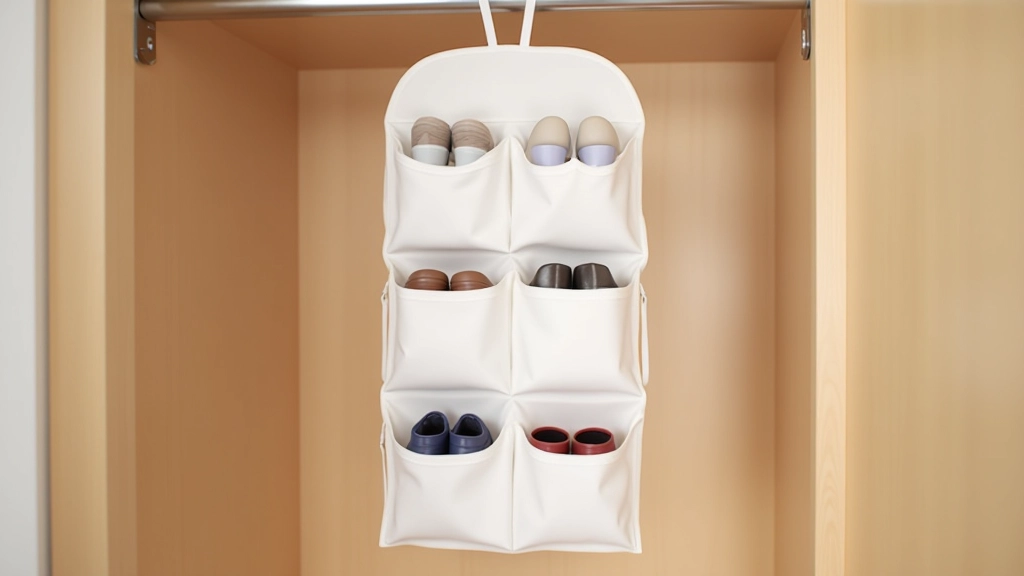
Your walls are storage real estate you're probably not using. Over-the-door organizers, wall-mounted shelves, and hanging racks transform dead space into functional storage. This is especially valuable in compact bedrooms where floor space is premium.
Wall-mounted shoe racks come in different styles. Floating shelves work for display. Pegboard systems let you customize with hooks and baskets. Over-the-door organizers hang shoes in fabric pockets — great for flats, sandals, and sneakers but not ideal for heavier boots.
The installation is straightforward in most Latvian apartments. You'll need basic tools — a drill, level, and appropriate wall anchors. Most walls in older Rīga buildings are solid, so drilling takes just minutes. Mount racks at eye level or slightly higher so you see everything without bending.
One wall organizer can hold 12-20 pairs depending on design. That's an entire collection off the floor and visible. Plus it looks intentional, like you've designed your closet rather than just cramming things in.
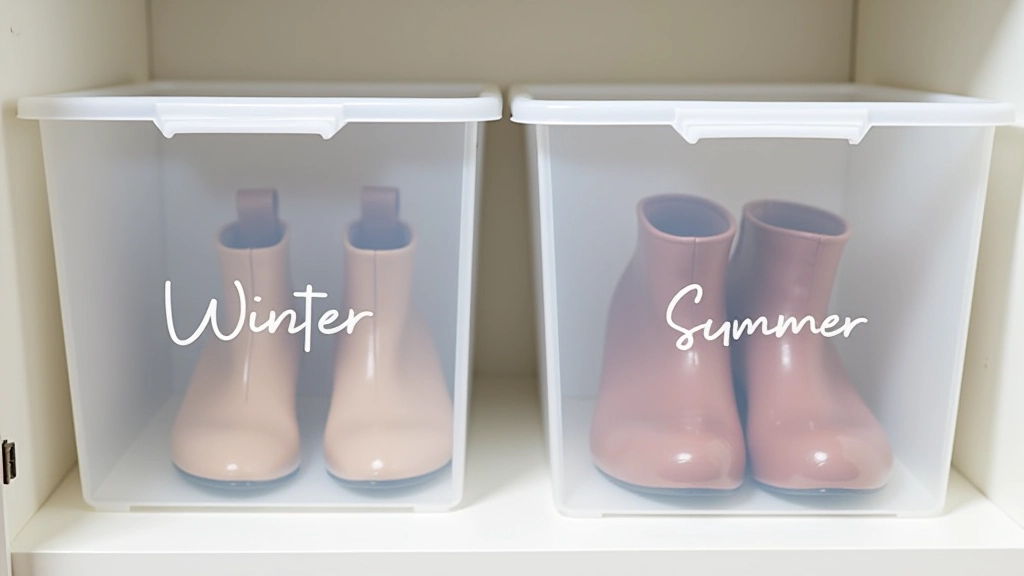
Latvia's climate means you're wearing completely different shoes in summer versus winter. Rather than storing everything year-round, rotation makes sense. During winter, you need waterproof boots and warm options. In summer, sandals and light shoes take priority.
Here's a system that works: keep your current season's shoes in accessible storage — boxes on shelves, wall racks, or closet floor. Store off-season shoes in higher shelves or under-bed containers where they take up less prime real estate. Rotate every 3-4 months as seasons change.
30-40
Ideal active pairs
60-70%
Space saved with rotation
Most people wear about 30-40 pairs actively. The rest sit unused. By rotating seasonally, you're only dealing with your real working wardrobe at any time. You'll rediscover shoes you forgot about when you bring them back in season.
You don't need to overhaul everything at once. Small improvements compound into a fully organized system. Here's what takes 30 minutes and makes an immediate difference:
Remove shoes that are broken, worn out, or haven't been worn in two years. Be honest about what you'll actually wear. This instantly frees up space and makes your collection manageable.
Shoes should stay in pairs. If you're missing a shoe, donate or recycle it. Stray shoes take up mental energy and physical space. Complete pairs only.
Keep similar shoes together — boots with boots, sandals with sandals, sneakers with sneakers. This makes getting dressed faster and prevents shoes from getting lost in mixed groups.
Shoes maintain their shape better with internal support. Shoe trees work for formal shoes. For casual shoes, stuff with newspaper or fabric scraps. This prevents creasing and keeps shoes looking newer.
The best shoe organization system is one you'll actually maintain. Don't create something so complicated that you give up after two weeks. Start with one strategy — maybe clear boxes on a shelf — and build from there.
You'll notice benefits immediately. Getting dressed is faster. You're not digging through piles. Your shoes last longer because they're stored properly. And you might actually wear that pair of heels you forgot you owned.
In a compact Latvian apartment, organized shoes mean reclaimed floor space and a bedroom that feels bigger. That's worth the small effort required to set up a system that works for your life.
Ready to tackle your closet?
Explore More Storage Solutions