
Seasonal Clothing Swap Systems
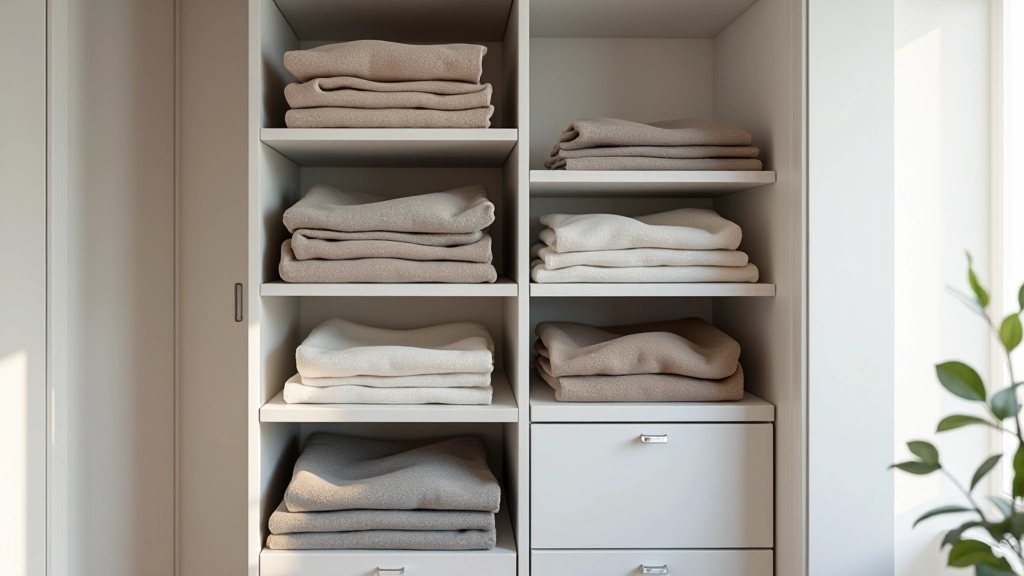
Rotate your wardrobe with the seasons. We'll show you how to store off-season clothes properly and create a swap schedule that keeps your active closet clutter-free.

Why Seasonal Swaps Matter
You've got limited closet space. That's not a problem—it's actually an opportunity. Instead of cramming everything in year-round, seasonal swaps let you keep only what you're wearing right now active and accessible. Winter coats take up serious room. So do bulky sweaters. When summer arrives, they're just taking up valuable real estate.
The best part? A seasonal system forces you to be intentional. You're not just shoving things in a storage box and forgetting about them. You're rotating, reassessing, and keeping your wardrobe functional. Most people who try this notice they actually wear more of their clothes because everything they see is relevant to the current season.
In a compact apartment in Rīga or Jūrmala, this isn't just convenience—it's practically essential. A seasonal swap system can free up 30-40% of your closet space during off-seasons.
Storage Essentials You Actually Need
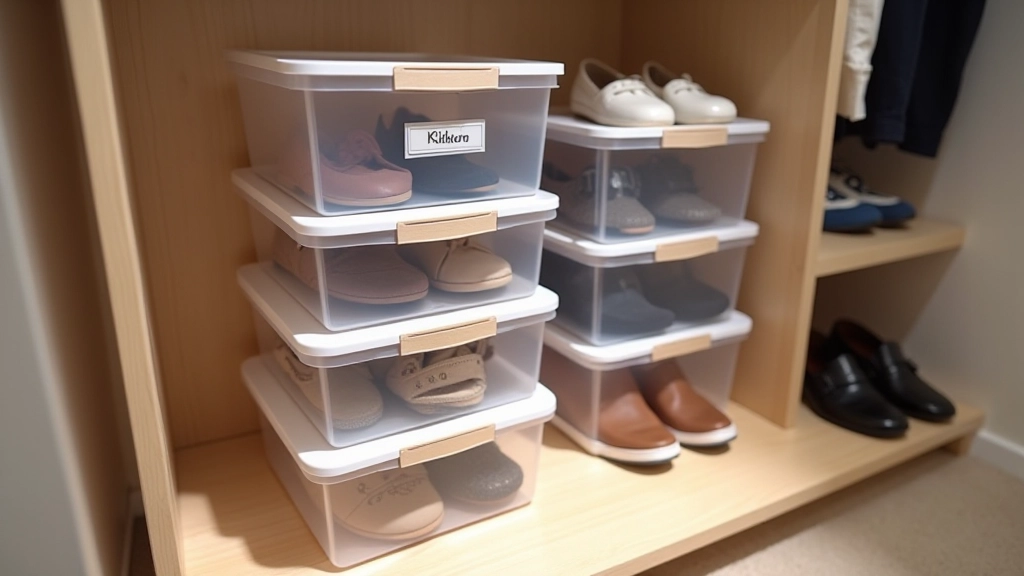
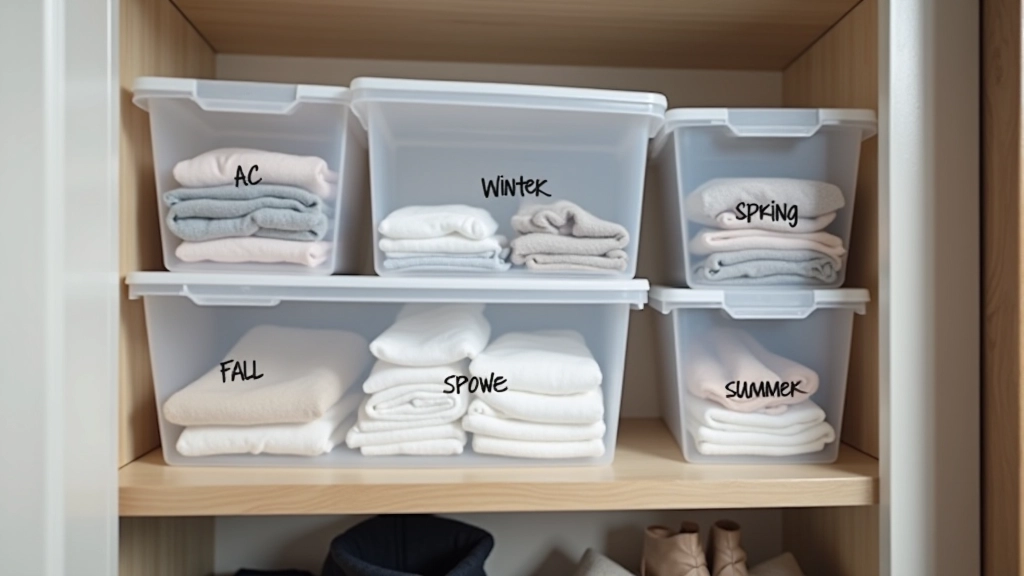
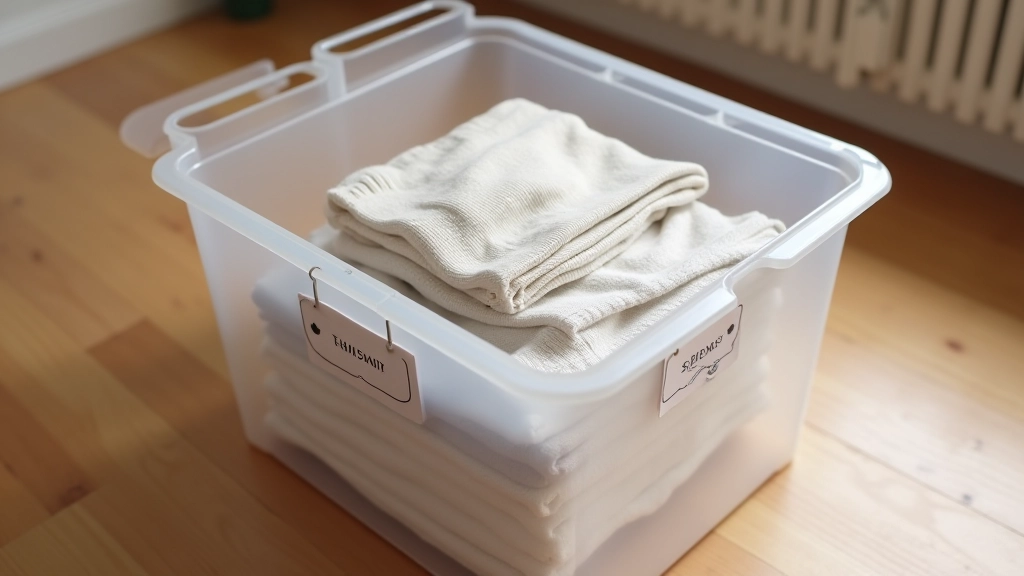
Here's what works: clear plastic bins with lids. Not fabric bags—you can't see what's inside without opening them. Clear bins let you quickly spot exactly what you've stored. Label each bin clearly with the season and year. "Winter 2026" isn't vague. It's specific and useful.
The Bin Strategy That Works
- Use bins that fit your storage space—measure first, don't guess
- Medium-sized bins (about 50 liters) are ideal for sweaters and heavier items
- Smaller bins work for accessories, lightweight layers
- Stack no more than 3 high to prevent crushing clothes underneath
Don't use vacuum storage bags. They're tempting because they compress everything, but you're crushing fabrics. Sweaters especially get permanently damaged. You're saving space at the cost of ruining clothes. That's not a win. Better to use standard bins and accept they take up more room. It's worth it to keep your clothes in good shape.
Storage Tips Note
The methods described here are practical suggestions based on common organizational approaches. Your specific storage needs depend on your climate, living space, and clothing collection. Environmental conditions—humidity, temperature, light exposure—vary by location in Latvia. What works in a Jūrmala apartment near the sea might need adjustment for a central Rīga location. Consider your specific situation when implementing these systems.
Creating Your Swap Schedule
Timing is everything. Don't swap on the calendar date. Swap based on actual weather and what you're actually wearing. In Latvia, you might keep some winter pieces out longer because spring stays cold. That's fine. Your schedule should match reality, not a predetermined date.
Pick a day and make it a ritual. Maybe it's the first Saturday of each season. You take an hour, pull out the appropriate bins, assess what you're swapping in, and put away what you're not wearing. It's not a massive project. One hour every three months is manageable.
1
Pull Everything Out
Take the off-season bins out. Look at what you stored. You'll probably notice items you forgot about.
2
Quick Inspection
Check for damage, stains, or wear. This is a good time to decide what actually still fits your life.
3
Make Space in Closet
Remove current season items carefully. Fold them properly before they go into storage bins.
4
Store and Hang
Pack away the off-season items. Hang up or fold the new season's clothes in your now-spacious closet.

Managing Transition Seasons
Spring and fall are messy. Weather can't decide what it's doing. Keep some layering pieces out—cardigans, light jackets, transitional pants. You'll wear these for weeks. Don't store them away just because the calendar says it's spring. Be practical.
This is where a lot of people get stuck. They think they need a strict four-season rotation. You don't. You need a system that matches how you actually live. In Latvia, you might keep winter boots accessible longer. Or have a "shoulder season" bin with pieces that work in multiple seasons.
The flexibility is the point. Your system should reduce stress, not create more. If you're constantly pulling things out of storage because you need them, your timing is off. Adjust it. That's what makes this work—it's not rigid, it adapts to your life.
The Real Space Savings
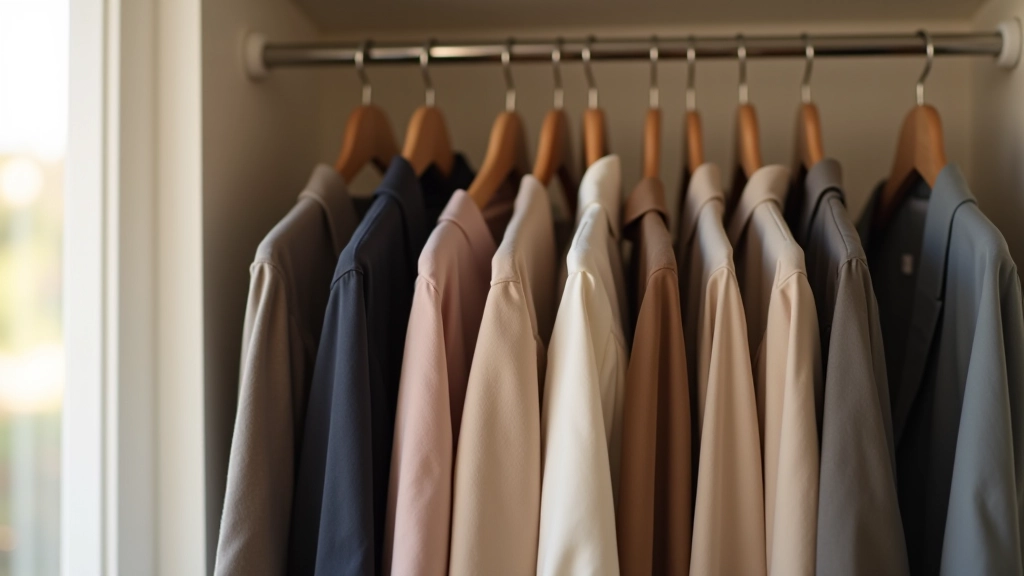
Here's what you get: A closet where everything you see is something you can actually wear right now. No hunting through winter coats to find your summer dresses. No reaching past heavy sweaters for a t-shirt. Everything's accessible. Everything's relevant.
For a small bedroom in a compact Latvian apartment, this changes everything. You're not buying additional furniture or risking damage from overcrowding. You're just being strategic about timing. Most people find they can fit their entire active wardrobe in half the closet space they were using before. That freed-up space? You can use it for other things. Shoes. Accessories. Just breathing room.
Easier to Find Things
50% fewer items in your closet means you actually see what you have.
Clothes Last Longer
Less crowding means less wrinkles, stretching, and damage to your clothes.
Less Decision Fatigue
Only season-appropriate options visible. Getting dressed is simpler.
Better for Small Spaces
In compact apartments, this system is practically essential, not optional.
Start Small, Build Momentum
Don't try to overhaul your entire closet system in one day. Pick one season's worth of clothes and try the system. See how it feels. You'll probably like having space. You'll notice you're wearing more of your clothes. The next season, you'll be ready to do it again.
Seasonal swaps aren't complicated. They're just intentional. Clear bins, a consistent schedule, honest assessment of what you're wearing—that's it. In a compact Latvian home where every square inch counts, that's not just smart organization. It's transformative.
Ready to Organize Your Closet?
Explore more closet organization strategies and storage solutions tailored for compact spaces.
Browse More Organization Guides